Why construction matters more in plain clothes
Decoration is forgiving. A busy print disguises a wandering stitch line; a cascade of ruffles makes an uneven hem impossible to see. Minimalist clothing removes those disguises. When a garment is reduced to cloth, cut and seam, each of those three elements carries the whole weight of its quality. A slightly twisted side seam on a plain white T-shirt is visible from across a room, and it will grow worse with every wash.
This is the paradox at the heart of restrained dress: the simpler the design, the more exacting the making has to be. Designers long associated with austerity, such as Jil Sander, Helmut Lang and the early Martin Margiela, were admired less for what they left out than for the precision of what remained. You do not need couture budgets to apply the same scrutiny. You need a few minutes, decent light and the habit of turning things inside out.
Reading seams
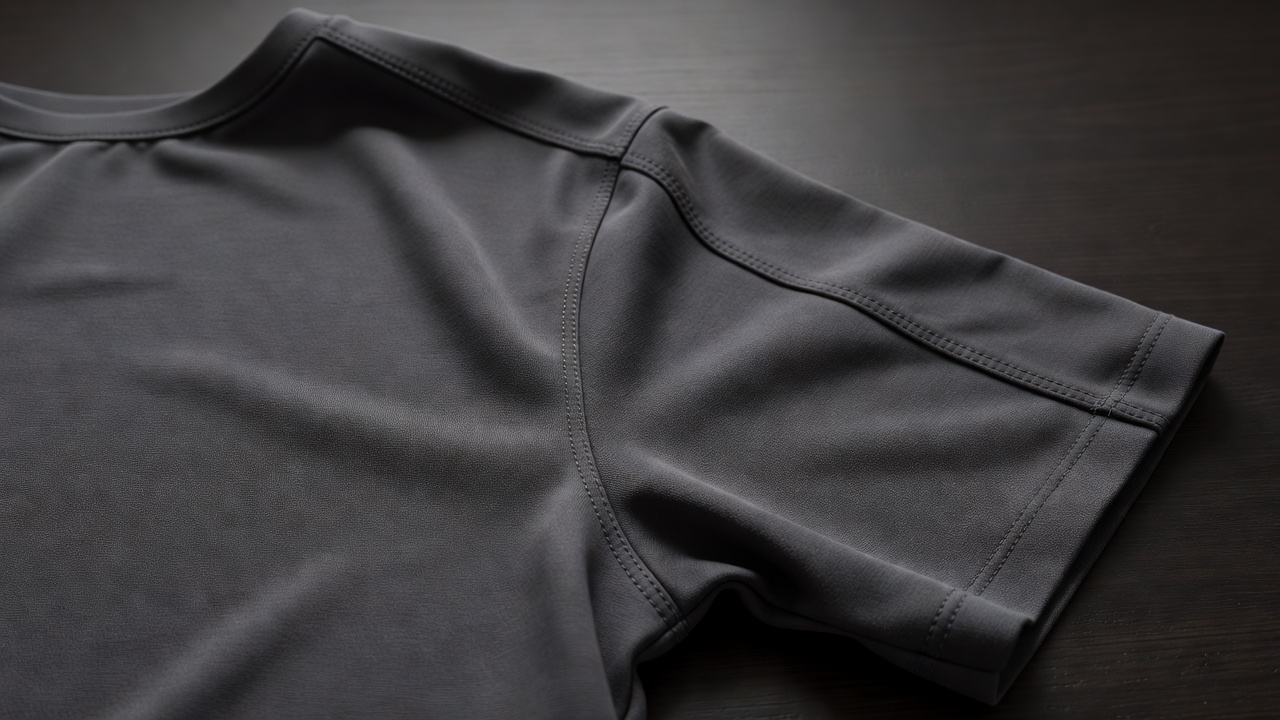
A seam is where two pieces of fabric meet, and the way its raw edges are treated determines how the garment will age. The most common finish in mass-market clothing is the overlocked or serged seam, in which a machine wraps thread around the cut edge to stop fraying. It is efficient and perfectly serviceable on knitwear and jersey, but on woven shirts and trousers it can feel scratchy and may unravel at stress points over time.
Enclosed finishes take longer to sew and tend to last longer. The French seam folds the raw edges inside a second line of stitching and is a mark of care on fine shirting and lightweight dresses. The flat-felled seam, familiar from the inside leg of traditional jeans and from well-made work shirts, interlocks the edges and stitches them flat twice, creating a seam that is nearly indestructible. Bound or Hong Kong seams wrap each edge in a strip of bias fabric and are often found in unlined jackets and coats from careful makers.
| Finish | How to spot it | Typical use | Durability cue |
|---|---|---|---|
| Overlocked (serged) | Looped thread wrapping the raw edge | Jersey, knitwear, budget wovens | Adequate; check for loose loops |
| French seam | Narrow enclosed ridge, no raw edge visible | Fine shirting, silk, light dresses | High on light fabrics |
| Flat-felled | Two parallel rows of stitching outside and in | Denim, work shirts, chinos | Very high |
| Bound / Hong Kong | Each edge wrapped in a fabric strip | Unlined jackets and coats | High; neat inside view |
| Pinked | Zigzag-cut edge, no stitching around it | Wool trousers with lining, vintage pieces | Moderate; suits stable wovens |
Fabric: weight, fibre and recovery
Fabric quality is harder to judge than seams because it depends on fibre, yarn and weave together. Start with the label. In the United Kingdom and the European Union, textile products must state their fibre composition, and many brands also publish fabric weight in grams per square metre. A heavier T-shirt jersey, somewhere above 180 gsm, generally holds its shape better than a thin one, though weight alone does not guarantee quality.
Then use your hands. Crush a corner of the fabric in your fist for a few seconds and release it. Good wool and densely woven cotton recover quickly; loosely woven or poorly finished fabric stays creased. Hold a knit up to the light to see whether the stitches are even. Rub two areas of the surface together gently; fabrics that pill easily often show faint fuzz even in the shop.
Certification marks can help, provided you know what they claim. OEKO-TEX Standard 100 indicates that a textile has been tested for a defined list of harmful substances. The Global Organic Textile Standard, known as GOTS, covers organic fibre content along with environmental and social criteria in processing. Neither tells you how well a garment is sewn. Care labels follow the symbol system coordinated by GINETEX and set out in ISO 3758, and reading them before purchase tells you how much effort the piece will demand.
Hems, buttons and linings
Finishing details reveal whether a maker expected the garment to be worn for years. Look for generous hem allowances on trousers and skirts, which permit alteration. Blind-stitched hems, invisible from the outside, are a sign of care on tailored pieces. Buttons should be sewn with a short thread shank so they sit above the fabric rather than straining against it, and a spare button attached inside is a small courtesy that suggests attention elsewhere.
In jackets and coats, check that the lining has a small pleat at the centre back and a fold at the hem, known as a jump, which allows the outer fabric to move without pulling. A lining cut too tightly will tear or distort the shell. Where there is no lining, the inside should be as tidy as the outside; that is often where the most honest information about a garment lives.
Quick checks before you buy
Thirty-second inside check
Turn the garment inside out. Look for loose threads, raw edges at stress points such as the crotch and underarm, and seams that wander off their line.
Pattern and stripe matching
On striped or checked fabric, see whether the pattern meets cleanly at side seams, pockets and the centre front. Mismatches indicate hurried cutting.
Stitch density
Closer, smaller stitches usually hold better than long, loose ones. On shirting, fine stitching along collars and cuffs is a good sign.
Stress points
Pocket corners, belt loops and the base of a fly should be reinforced with bar tacks or extra stitching.